
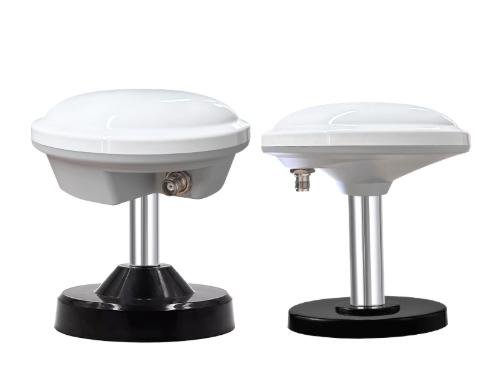
Dual-Band GNSS L1/L5 Stacked Patch Antenna Fits in 20x20mm Package
A compact dual-band GNSS antenna designed for L1 and L5 frequencies combines active and passive modes in a 20x20x8mm package, as reported by Electronics…
In GNSS, a single figure — a deal value, a percentage change or a target year — can reframe the whole story, which is why the underlying numbers deserve more attention than the headline.
Around gnss, coverage clusters on Compact Antenna, Electronics Weekly, GNSS, L1 Band and L5 Band, and watching how those threads develop relative to each other often reveals the bigger story.
Source activity centred on "RF antenna" - Google News is a useful gauge of how firmly a story is established versus still emerging.
Significant stories usually carry verifiable detail — a named figure, a date, a percentage or a clearly identified organisation — and tend to appear across more than one outlet. Reports that stay at the level of general commentary are better treated as background.
Every item links to the outlet that published it, which remains the reference for exact figures and quotes. For anything consequential, comparing two or more independent reports is the most reliable way to confirm what actually happened.
These names and themes keep appearing alongside each other, which usually means they are part of the same wider story. Following them as a group — rather than one headline at a time — gives an earlier read on where gnss coverage is heading.
Recurring prominence usually means Compact Antenna sits at the centre of an active development — a decision, a deal or a dispute. When a name repeats across reports, it is worth reading the underlying stories to see what has actually changed.