
Radio Antennas Market Poised for Significant Growth by 2035 Driven by 5G and IoT Expansion
Key Data Points
This story is anchored to specific dates or periods such as 2035. Those reference points make it easier to track how the situation develops over time.
- Date / period: 2035 Radio Antennas Market Poised for Significant Growth by 2035 Driven by 5G and IoT Expansion Market analysis points to sustained expansion in the radio antennas sector through 2035, fueled by accelerating 5G…
Global demand for radio antennas is projected to see robust growth by 2035, propelled by the rapid expansion of 5G networks and the Internet of Things.
Market Drivers and Projections
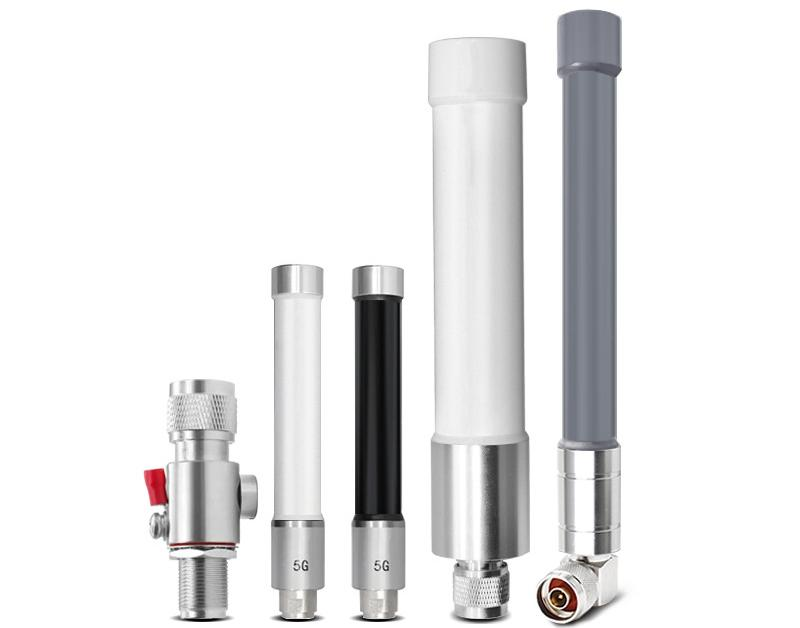
The ongoing deployment of 5G infrastructure is a primary catalyst, as next-generation networks require dense arrays of antennas to deliver higher bandwidth and lower latency. Massive MIMO and beamforming technologies are being integrated into base stations, driving volume demand for panel and array antennas. Simultaneously, the Internet of Things connects billions of devices—from smart meters to industrial sensors—relying heavily on wireless connectivity. This surge pushes demand for everything from compact embedded antennas to high-gain outdoor units. For instance, products like the AW-PA5158-V18B65 5.1-5.9 GHz Directional Panel Antenna (18 dBi) illustrate the high-gain solutions being deployed in 5G fixed wireless access.
Market analyses point to sustained double-digit annual growth in the radio antenna segment, with value projected to climb substantially by the mid-2030s. Network densification, particularly in urban centers and along transportation corridors, is creating consistent demand. Additionally, the transition to open RAN architectures is diversifying the supplier ecosystem, opening opportunities for specialized antenna manufacturers.
Key Factors Shaping the Antenna Industry
- 5G network rollouts requiring advanced antenna systems, including massive MIMO arrays and millimeter-wave solutions.
- IoT proliferation increasing need for reliable, low-power wide-area connectivity across agriculture, logistics, and smart cities.
- Smart city initiatives demanding ubiquitous wireless coverage for traffic management, public safety, and environmental monitoring.
- Infrastructure upgrades to support higher frequencies and wider bandwidths, such as C-band and 6 GHz allocations.
- Private LTE/5G networks in industrial settings creating niche demand for ruggedized and directional antennas.
The 5G outdoor flat panel antenna is among the components increasingly specified in urban deployments, where aesthetic and performance considerations must align. As the industry ramps up, questions linger about how component availability and skilled installation workforces will keep pace with the accelerating deployment timelines.
Why This Matters
The projected growth elevates antenna technology from a passive enabler to a bottleneck—and battleground—for supply chains. It signals that raw material procurement, manufacturing scalability, and installation expertise will determine how quickly global digital infrastructure can realize the promised benefits of 5G and massive IoT. Stakeholders across telecom, automotive, and smart city sectors may need to secure long-term antenna sourcing strategies to avoid deployment delays.
FAQ
Why is the radio antennas market expected to grow significantly by 2035?
Two megatrends are driving the expansion: the global build-out of 5G networks and the explosion of IoT devices. 5G requires denser antenna deployments to achieve its coverage and capacity goals, while IoT connects billions of sensors and endpoints that each need wireless connectivity. Together, they create sustained, long-term demand across all frequency bands and antenna types.
How does 5G deployment impact antenna demand?
5G networks rely on new spectrum bands, many in the mid- and high-frequency ranges, which necessitate advanced antenna systems like massive MIMO and beamforming arrays. Each 5G cell site may use dozens of antenna elements, compared to a handful for 4G, dramatically increasing the volume and performance requirements for base station and small cell antennas.
What role does IoT play in antenna market growth?
IoT devices span from tiny sensors to complex industrial machinery, all requiring wireless connectivity. This diversity fuels demand for a wide range of antenna form factors, including embedded chip antennas, flexible printed circuit antennas, and rugged outdoor gateways. The push toward smart factories, smart agriculture, and asset tracking accelerates adoption.
What technologies are driving innovation in radio antennas?
Key innovations include massive MIMO (using large numbers of controllable antenna elements to focus signals), beamforming, and more compact, integrated filter-antenna designs. Materials science advances enable smaller, lighter antennas that maintain high performance. Digital tuning and reconfigurability are also expanding to adapt to dynamic network conditions.
Sources
Source: "5G antenna" – Google News