
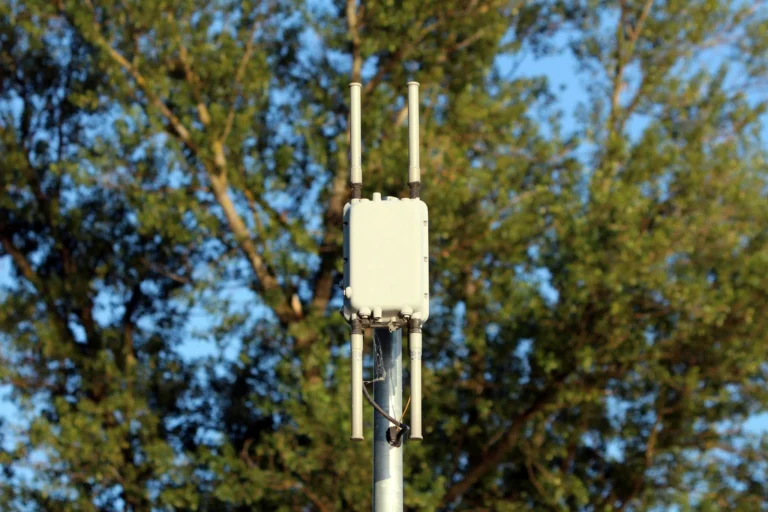
The Essentials of MIMO: How Multiple Antennas Multiply Data Rates
Multiple Input Multiple Output (MIMO) technology multiplies wireless data speeds by using several antennas at both ends of a link to send independent data…
Whether a development is driven by money, policy or a major announcement, spatial multiplexing stories are easier to judge once the concrete detail is pulled out and checked.
Frequent mentions of 5G, Antenna Design, Massive MIMO, MIMO Technology and Spatial Multiplexing mark the parts of spatial multiplexing where the money, decisions and announcements are concentrated.
Figures like 10,000 are worth noting as signals of scale and direction rather than final word — the source article carries the precise basis.
Significant stories usually carry verifiable detail — a named figure, a date, a percentage or a clearly identified organisation — and tend to appear across more than one outlet. Reports that stay at the level of general commentary are better treated as background.
Every item links to the outlet that published it, which remains the reference for exact figures and quotes. For anything consequential, comparing two or more independent reports is the most reliable way to confirm what actually happened.
These names and themes keep appearing alongside each other, which usually means they are part of the same wider story. Following them as a group — rather than one headline at a time — gives an earlier read on where spatial multiplexing coverage is heading.
Recurring prominence usually means 5G sits at the centre of an active development — a decision, a deal or a dispute. When a name repeats across reports, it is worth reading the underlying stories to see what has actually changed.