
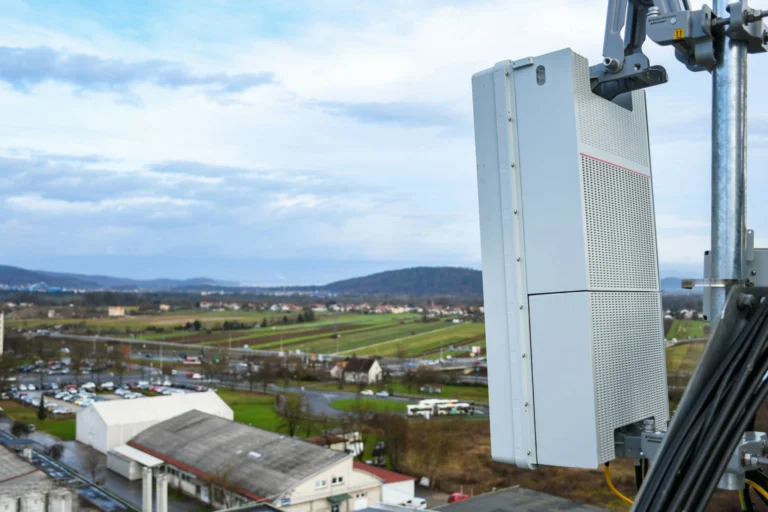
Phased-Array Antennas: How mmWave 5G Works in Smartphones
Apple's integration of a top-mounted mmWave antenna window in the iPhone 17 Pro highlights the sophisticated phased-array technology that powers multi-gigabit 5G. This article…
Events in phased-array antenna rarely arrive in a tidy sequence, and reading several reports together is what turns a passing mention into a clear picture of what changed.
The recurring vocabulary of phased-array antenna reporting — 5G NR, Antenna Design, Apple iPhone, Beamforming and mmWave 5G — is a useful early indicator of which angle is gaining momentum.
Without strong figures or a broad source base yet, phased-array antenna warrants monitoring more than firm conclusions, with verification once detail emerges.
Recurring prominence usually means 5G NR sits at the centre of an active development — a decision, a deal or a dispute. When a name repeats across reports, it is worth reading the underlying stories to see what has actually changed.
The most recent coverage of phased-array antenna is collected here, ordered with the newest items first. Each report links back to its original source, so the freshest developments — and the dates attached to them — are easy to follow.
Significant stories usually carry verifiable detail — a named figure, a date, a percentage or a clearly identified organisation — and tend to appear across more than one outlet. Reports that stay at the level of general commentary are better treated as background.
These names and themes keep appearing alongside each other, which usually means they are part of the same wider story. Following them as a group — rather than one headline at a time — gives an earlier read on where phased-array antenna coverage is heading.