
Vodafone Expands 5G Coverage Inside Spanish Government Buildings With New Antenna Installations
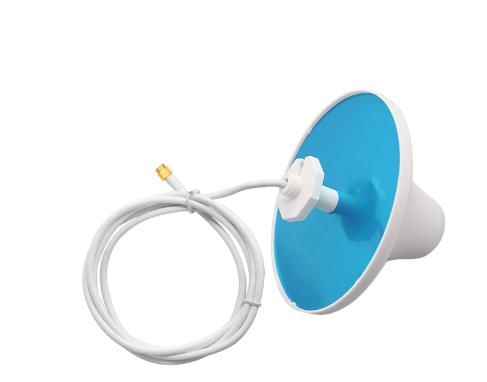
Vodafone is rolling out dedicated 5G antennas across administrative facilities of the Generalitat, aiming to eliminate connectivity gaps that have plagued older public buildings. The deployment targets stronger and more consistent mobile signals for employees, visitors, and digital services operating indoors.
Modernizing Public Infrastructure
Government buildings often feature thick walls and complex layouts that block high-frequency 5G signals. By placing advanced antennas strategically inside and on building exteriors, Vodafone hopes to ensure seamless coverage across offices, meeting rooms, and public service areas. The initiative aligns with broader digitalization efforts within Spain’s regional governments, which increasingly rely on fast, reliable mobile networks for everything from citizen engagement platforms to remote work tools.
No financial terms or specific timelines have been disclosed, but industry observers note that such projects typically form part of larger framework agreements between carriers and public authorities. These partnerships allow operators to access strategic sites while supporting public-sector digital transformation.
Why Indoor Coverage Matters
Indoor 5G performance remains a critical challenge worldwide. While outdoor macro towers deliver wide-area coverage, millimeter-wave and mid-band frequencies used by 5G can struggle to penetrate modern energy-efficient windows and concrete construction. Dedicated indoor antennas—such as small cells and distributed antenna systems (DAS)—compensate by bringing the signal closer to users.
For government workplaces, robust indoor connectivity means improved emergency response coordination, smoother video conferencing for administrative staff, and a better experience for citizens processing documents or attending hearings on-site.
A Model for Enterprise and Public Environments
The Generalitat project may serve as a blueprint for other large organizations facing similar coverage obstacles. If successful, it could accelerate demand from hospitals, universities, and corporate campuses seeking to future-proof their buildings for 5G-enabled applications.
Vodafone’s work across the Generalitat’s properties is expected to conclude in the coming months, after which performance data will likely inform further network optimization by the carrier.
Why This Matters
Public-sector 5G adoption often kick-starts broader commercial deployments and validates new use cases. By tackling indoor coverage in government buildings, Vodafone not only secures high-traffic anchor sites but also sets a precedent for enterprise-grade indoor 5G solutions, potentially spurring regulatory support and investment in smart infrastructure across Europe.
FAQ
Why is Vodafone installing 5G antennas in Generalitat buildings?
The installations aim to overcome poor indoor 5G signal penetration caused by building materials like concrete and low-emissivity glass. By enhancing coverage, Vodafone ensures reliable connectivity for government employees and visitors, supporting digital public services.
How do dedicated 5G antennas improve indoor mobile coverage?
Indoor 5G antennas, such as small cells or distributed antenna systems, are placed inside or on building perimeters to amplify and distribute the signal directly where it is needed. This sidesteps external obstacles and provides consistent, high-speed data connections in areas that macro towers cannot reach effectively.
What technologies are used for indoor 5G coverage?
Common solutions include small cells, which are compact base stations, and distributed antenna systems (DAS) that use a network of spatially separated antenna nodes connected to a common source. These systems can support mid-band and millimeter-wave 5G frequencies, often with beamforming to target specific areas.
What benefits does 5G bring to public administration?
5G offers ultra-low latency, higher bandwidth, and massive device connectivity, enabling applications like real-time video collaboration, IoT sensor networks for building management, and enhanced mobile access to cloud-based government platforms. This can increase efficiency, reduce costs, and improve citizen interactions.
Sources
Source: "5G antenna" – Google News