
Taoglas to Showcase Antenna Solutions for Compact Devices at Hardware Pioneers Max 2026
Key Data Points
This story carries monetary or market figures such as 15 billion and 2026. They are the kind of detail worth noting up front, then confirming against the original report for exact amounts and scope.
- Market value: 15 billion More than 15 billion IoT devices are now active globally, and that figure continues to climb.
- Date / period: 2026 Taoglas to Showcase Antenna Solutions for Compact Devices at Hardware Pioneers Max 2026 Taoglas will demonstrate smarter antenna selection and integration methods for compact wireless devices at Hardware Pioneers Max 2026, addressing…
More than 15 billion IoT devices are now active globally, and that figure continues to climb. For each of these connected gadgets, the antenna is a critical component that can make or break wireless performance—especially as form factors shrink.
The shrinking form factor challenge
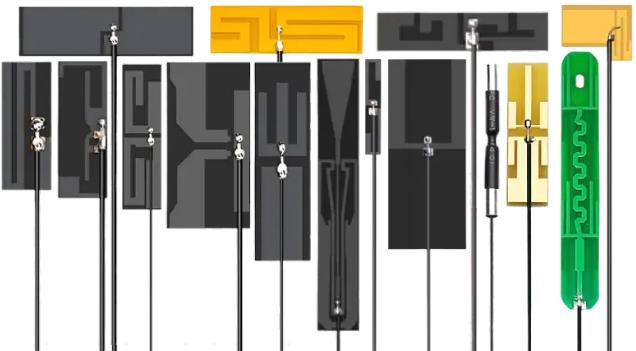
Engineers designing wearables, medical sensors, and smart home products face a persistent tension: the physical space for antennas is diminishing, yet performance expectations for range and reliability remain high. Traditional external antennas are often impractical, pushing design teams toward embedded and flexible solutions that must coexist with densely packed circuitry.
Material selection, placement, and tuning become make-or-break decisions. Even a millimeter shift in an antenna’s position can detune it, causing signal dropouts. This complexity has driven demand for more intelligent selection tools and integration guidance at the earliest stages of product design.
Taoglas brings expertise to Hardware Pioneers Max
At Hardware Pioneers Max 2026, Taoglas plans to address these pain points directly. The company will demonstrate methodologies for choosing and integrating antennas in space-constrained environments, drawing on its experience with embedded, PCB, and FPC antenna designs. The event, a gathering of hardware innovators, provides a fitting venue to highlight how smarter antenna decisions can accelerate time-to-market.
Industry veterans note that many connectivity failures in IoT devices trace back to suboptimal antenna integration. Taoglas aims to equip attendees with practical knowledge—from simulation-driven selection to overcoming ground plane challenges—so they can avoid common pitfalls.
What attendees can expect
While the company has not disclosed every detail of its presentation, past demonstrations have included live comparisons of antenna performance in realistic device mock-ups. Engineers will likely see how different materials, orientations, and proximity to components affect radiation patterns. Compact technologies such as those using LTE‑M, NB‑IoT, and Bluetooth Low Energy are expected to be in focus.
Taoglas is known for its broad portfolio that spans from off‑the‑shelf chip antennas to custom flexible printed circuit solutions. For many developers, the key takeaway may be learning when a standard component suffices and when a tailored design is worth the investment.
The path forward for embedded antennas
As 5G and Wi‑Fi 6E push into smaller consumer devices, antenna engineering will only grow more multidisciplinary. Combining RF expertise with mechanical design and industrial aesthetics is now routine. Events like Hardware Pioneers Max create a space where hardware teams can swap strategies for integrating invisible yet essential RF components.
Looking ahead, Taoglas and its peers are expected to further integrate AI‑driven simulation tools to predict real‑world performance before the first prototype is built. For now, the company’s appearance signals that smarter antenna thinking is no longer optional—it is foundational to successful product design.
Why This Matters
As wireless devices become smaller and more numerous, antenna performance can determine product success. Events like Hardware Pioneers Max highlight how smarter integration approaches reduce development cycles and improve connectivity, keeping hardware innovators competitive in crowded IoT markets.
FAQ
What is Hardware Pioneers Max?
It is a leading exhibition and conference for hardware developers, bringing together engineers, manufacturers, and technology providers to explore the latest in embedded systems, IoT, and product design. The 2026 edition will include sessions on wireless integration.
Why is antenna selection difficult for compact devices?
Tiny enclosures leave little room for antennas, and nearby components can cause interference. Designers must balance size, performance, and cost while ensuring the antenna works across required frequency bands without compromising the device’s form factor.
What types of antennas does Taoglas offer for small devices?
Taoglas provides a range of embedded antennas, including chip antennas, flexible printed circuit (FPC) antennas, and PCB trace designs. These are tailored for applications like wearables, asset trackers, and medical monitors.
How can engineers improve antenna integration?
They can use simulation tools to model performance early, follow best practices for ground plane clearance, and consult antenna suppliers during the initial design phase rather than treating the antenna as an afterthought.