
NIT Srinagar and University of Kashmir Lead National Dialogue on Antenna-Driven Healthcare Innovations
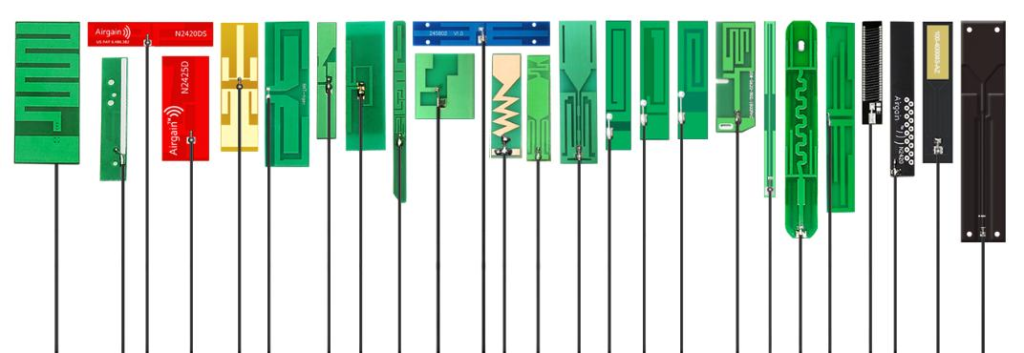
The intersection of wireless communication and medical science is reshaping healthcare delivery, and India’s academic institutions are stepping forward to shape that future. A national-level discourse on next-generation healthcare technologies, spearheaded by the National Institute of Technology (NIT) Srinagar and the University of Kashmir (UoK), has placed antenna technology at the center of conversations about medical innovation.
Academic Collaboration Spurs Innovation
NIT Srinagar and UoK have jointly organized a platform that brings together researchers, clinicians, and industry experts to explore how advanced antenna systems can enable transformative healthcare solutions. The initiative highlights the growing role of interdisciplinary collaboration in tackling complex medical challenges.
The discourse draws on the strengths of both institutions: NIT Srinagar’s engineering expertise and UoK’s biomedical research capabilities. Together, they aim to foster homegrown innovations that address India’s unique healthcare needs.
Antenna Technologies Take Center Stage
Antennas, often overlooked, are fundamental to modern medical devices. From wearable monitors that track vital signs continuously to implantable sensors that communicate wirelessly with external systems, efficient antenna design is critical for reliable data transmission. The national discourse delves into emerging applications such as in-body antennas for telemetry, flexible antennas for smart patches, and antenna-integrated diagnostic pills.
Advances in miniaturization and biocompatible materials are expanding the potential of antenna-based medical devices. Discussions at the event reflect a growing consensus that antenna technology will be pivotal in achieving affordable and accessible healthcare.
National Discourse Goals and Participants
The event convenes a wide spectrum of stakeholders, including government agencies, healthcare providers, and technology firms. Its primary objectives are to chart research priorities, promote collaboration, and accelerate the translation of lab-scale antenna prototypes into clinical practice.
By facilitating knowledge exchange, the discourse helps bridge the gap between theoretical research and real-world deployment. Participants are examining regulatory pathways, safety standards, and scalability challenges that often impede the adoption of medical antenna technologies.
Future Implications for Indian Healthcare
The leadership demonstrated by NIT Srinagar and UoK could position India as a hub for affordable, antenna-enabled medical devices. Telemedicine, remote patient monitoring, and point-of-care diagnostics stand to benefit significantly from robust, low-cost wireless technologies.
As the national discourse concludes, the organizing institutions plan to publish a roadmap outlining key research directions and policy recommendations. Their efforts underscore the essential role of antenna engineering in building a resilient and inclusive healthcare ecosystem.
The collaborative push by NIT Srinagar and the University of Kashmir signals a growing recognition of antenna technology as a foundational element of tomorrow’s healthcare infrastructure.
Why This Matters
By placing antenna technology at the forefront of healthcare discourse, NIT Srinagar and UoK are catalyzing a much-needed interdisciplinary push. Efficient antenna design is critical for reliable wireless medical devices, yet it often receives limited attention. This initiative could accelerate the development of affordable, indigenous health-tech solutions, strengthening India's self-reliance in critical technology sectors.
FAQ
Why are antennas crucial for future healthcare technologies?
Antennas enable wireless communication in medical devices such as wearable monitors, implantable sensors, and diagnostic pills. Their design determines signal reliability, patient safety, and device miniaturization, making them essential for advanced telehealth and remote monitoring systems.
How are NIT Srinagar and UoK contributing to healthcare innovation?
The two institutions are jointly hosting a national discourse that unites engineers, medical researchers, and industry experts. They are focusing on antenna-based solutions to drive affordable medical technology, leveraging NIT Srinagar's technical expertise and UoK's biomedical research capabilities.
What specific antenna technologies are being discussed at the national discourse?
Topics include wearable antennas for health tracking, implantable antennas for telemetry, flexible and biocompatible materials, and antenna systems for wireless diagnostic tools. The goal is to push forward research that leads to practical, scalable medical devices.
What outcomes are expected from this national discourse?
Organizers aim to produce a research roadmap and policy recommendations for antenna-enabled healthcare technologies. The event also seeks to foster collaborations that will speed up the transition from laboratory prototypes to real-world clinical use across India.