
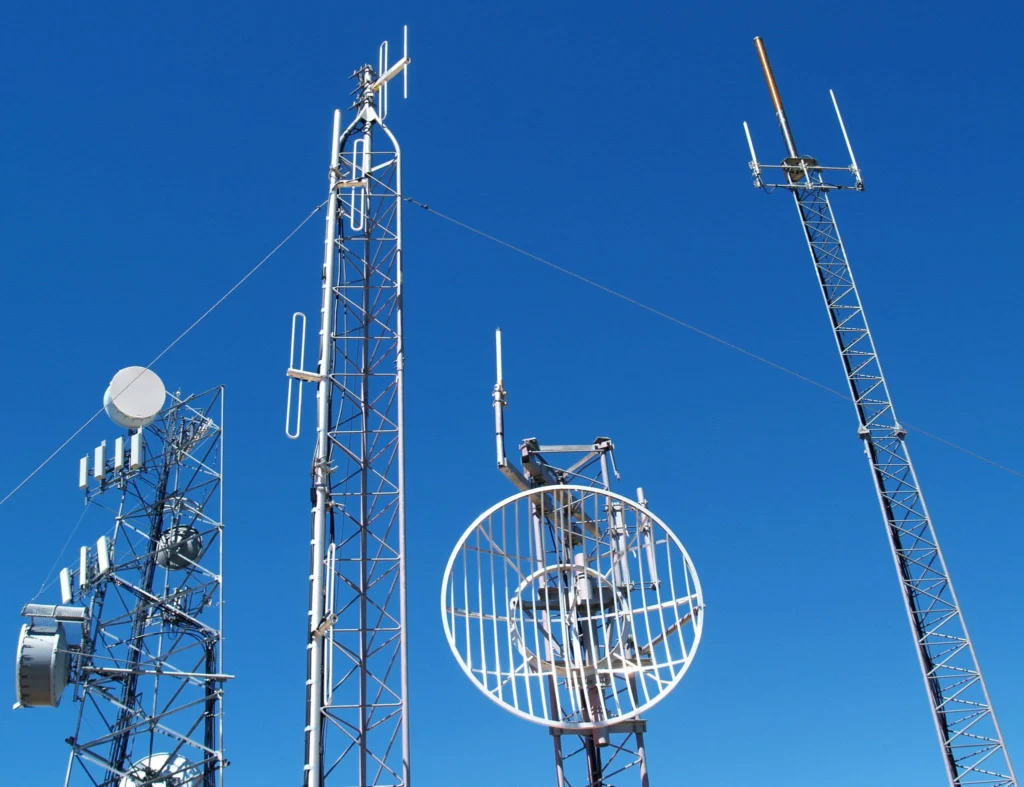
Polarization describes the orientation of the electric field radiated by an antenna. Matching the polarization of transmit and receive antennas is one of the most consequential — and most overlooked — decisions in an RF link.
Overview
This guide explains how antenna polarization explained are engineered, where they are deployed, and how to choose the right model for a real installation. A polarization mismatch between two linearly polarized antennas costs 3 dB at 45 degrees and is theoretically infinite at 90 degrees (cross-polarized), which is why slant ±45 deg dual-polarized antennas are used to harvest both orientations.
Recommended Antenna Types
The following antenna classes are best matched to antenna polarization explained:
Directional Panel Antenna
Sector / panel antennas delivering focused gain over a defined azimuth, used for base-station sectorization and fixed point-to-multipoint links.
Omnidirectional Fiberglass Antenna
Collinear omnidirectional antennas in a UV-stable fiberglass radome for 360 degree outdoor coverage.
GNSS / GPS Antenna
Active GNSS antennas for positioning, timing and high-precision survey applications.
Applications and Use Cases
Antenna Polarization Explained support a range of deployments. The most common are:
- Point-to-Point Backhaul
- GNSS Positioning
- 4G / 5G Base-Station Coverage
Mounting and Installation
Vertical polarization is standard for omnidirectional mobile and broadcast use; horizontal and circular polarizations are chosen to reduce interference or to handle reflective and orientation-varying paths.
Lightning Protection and Grounding
Polarization choice does not affect lightning protection, which is governed by mechanical mounting and grounding.
Standards and Compliance
Designs and deployments in this area commonly reference:
- IEEE Std 145 antenna definitions
Selection and Comparison
When narrowing down a model for antenna polarization explained, weigh these trade-offs:
- Linear vs. circular
- Vertical vs. horizontal
- Single vs. dual ±45 deg slant
Typical gain for this category is n/a, usually terminated in a n/a connector, though the interface can be customized.
Recommended Antennas from astronwireless.com
The following models from our catalog match the requirements discussed above:
AW-GP1575-28
- Band: 1.6-1.6 GHz
- Gain: 28 dBi
- Polarization: RHCP
AW-PA5158-V15B65
- Band: 5.1-5.9 GHz
- Gain: 15 dBi
- Polarization: Vertical
AW-PA5158-V18B65
- Band: 5.1-5.9 GHz
- Gain: 18 dBi
- Polarization: Vertical
AW-PA7090-V10B120
- Band: 698-960 MHz
- Gain: 10 dBi
- Polarization: Vertical
AW-PA7090-V11B90
- Band: 698-960 MHz
- Gain: 11 dBi
- Polarization: Vertical
AW-PA7090-V12B65
- Band: 698-960 MHz
- Gain: 12 dBi
- Polarization: Vertical
Related Topics
Find Your Antenna
Specify your exact requirements and get a matched recommendation:
Antenna Configurator
Specify your requirements and get a matched antenna recommendation in seconds.
Advanced filters (dimension limits)
Antenna Polarization Explained in depth
The pages below break antenna polarization explained down by band, by antenna class, by application and by how the antenna gets mounted, each with the catalog models that apply.
By antenna type
- Directional Panel Antenna for Antenna Polarization ExplainedSector / panel antennas delivering focused gain over a defined azimuth, used for base-station sectorization and fixed point-to-multipoint links. This…23 models
- Omnidirectional Fiberglass Antenna for Antenna Polarization ExplainedCollinear omnidirectional antennas in a UV-stable fiberglass radome for 360 degree outdoor coverage. This page covers how the class behaves…11 models
- GNSS / GPS Antenna for Antenna Polarization ExplainedActive GNSS antennas for positioning, timing and high-precision survey applications. This page covers how the class behaves specifically in antenna…2 models
By application
- Antennas for Point-to-Point BackhaulPoint-to-Point Backhaul places its own demands on the antenna: the link budget, the interference environment and the physical install all…14 models
- Antennas for GNSS PositioningGNSS Positioning places its own demands on the antenna: the link budget, the interference environment and the physical install all…11 models
- Antennas for 4G / 5G Base-Station Coverage4G / 5G Base-Station Coverage places its own demands on the antenna: the link budget, the interference environment and the…12 models
By installation
- Antenna Polarization Explained outdoor, pole-mountedMounting decides more of the delivered performance than the datasheet gain does. This page covers outdoor, pole-mounted installs for antenna…42 models
- Antenna Polarization Explained embedded / internalMounting decides more of the delivered performance than the datasheet gain does. This page covers embedded / internal installs for…6 models
- Antenna Polarization Explained outdoor, wall-mountedMounting decides more of the delivered performance than the datasheet gain does. This page covers outdoor, wall-mounted installs for antenna…5 models
Selection and reference
- How to Choose Antenna Polarization ExplainedChoosing antenna polarization explained is a sequence of constraints, not a search for the highest number on the datasheet. Band…
- Antenna Polarization Explained Specification ComparisonA side-by-side table of every antenna polarization explained in the catalog, sorted so the gain-versus-size trade-off is visible at a…
- Antenna Polarization Explained: Common QuestionsThe questions that come up most often in antenna polarization explained enquiries, answered with the numbers rather than with generalities.